▶
Stand tall (feet hip-width) or sit, and reach one arm overhead.
 TamaduOpen app
Stretches the side of your torso (obliques, lats) by bending your upper body sideways. Opens your flank and improves lateral mobility.
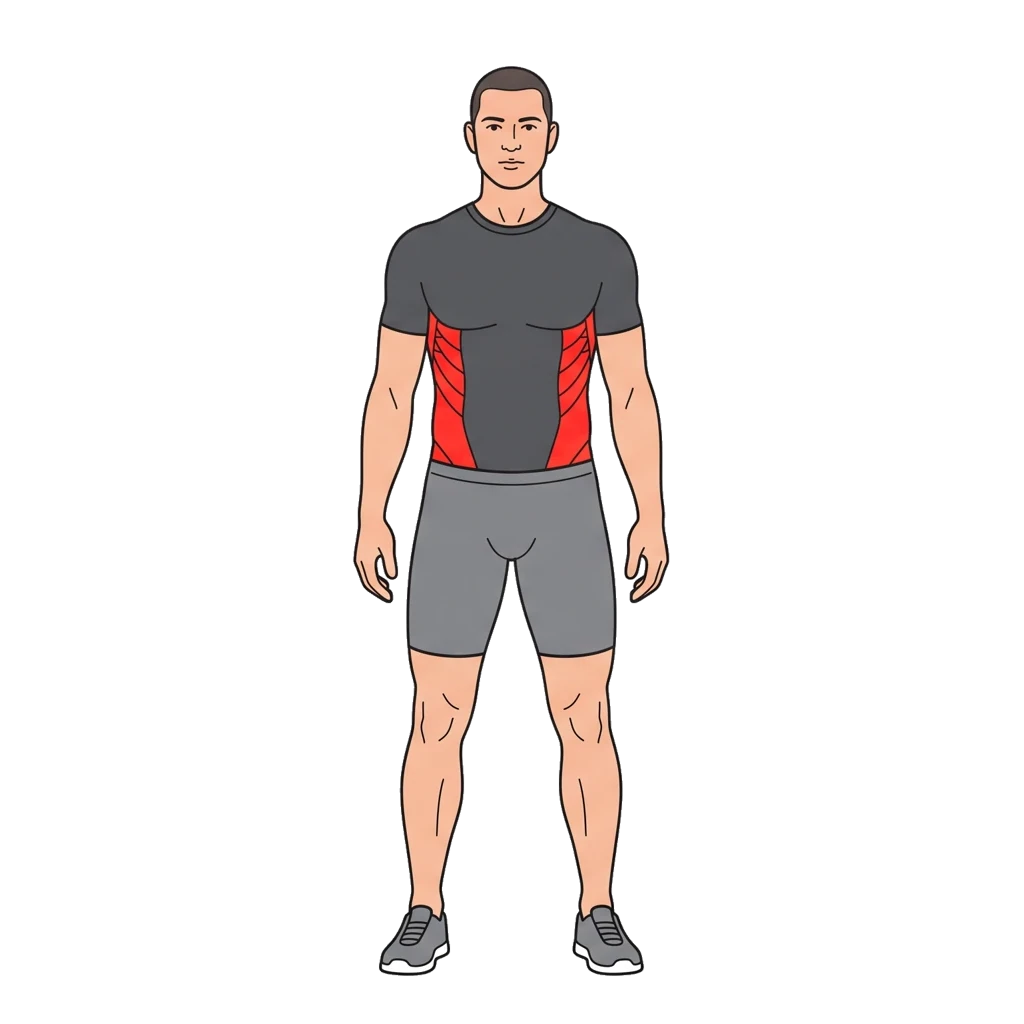
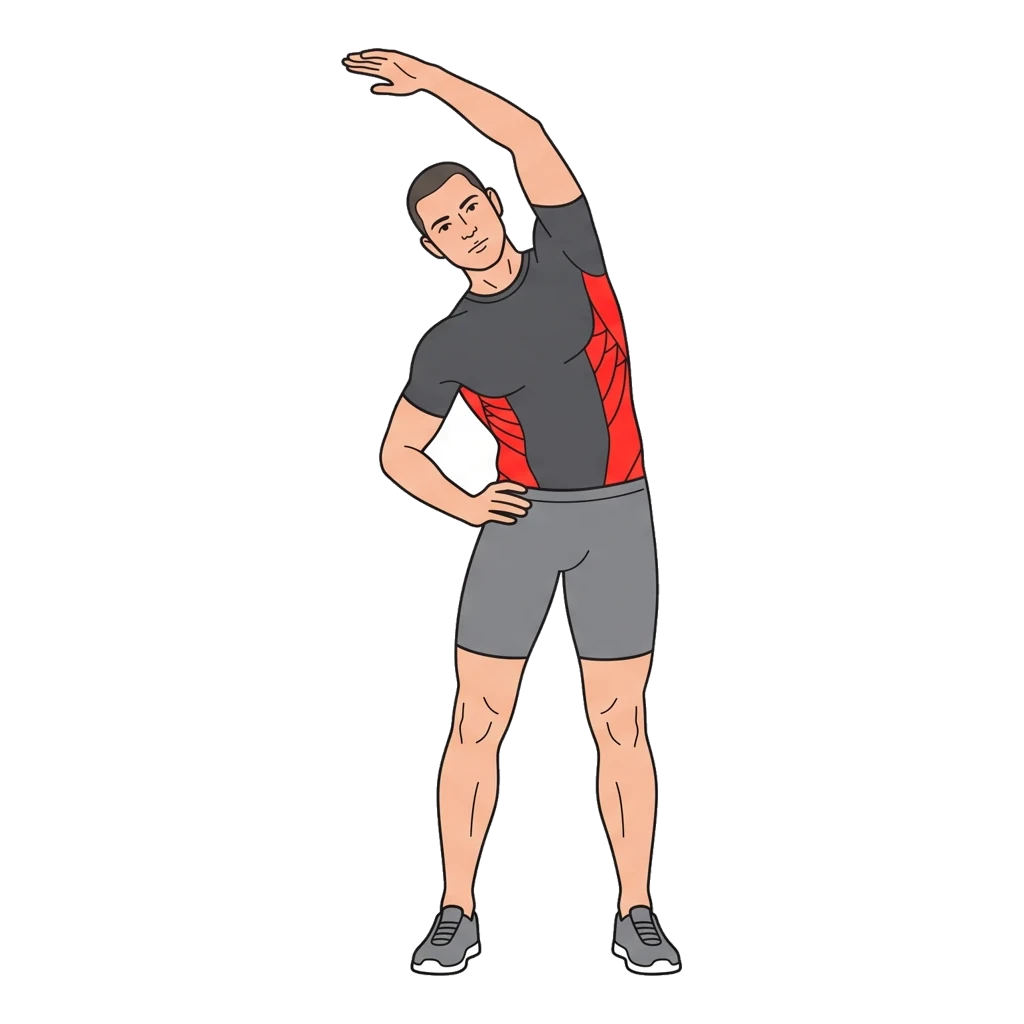
Mainly Side abs, Lats.
No equipment – your bodyweight is enough.
Yes, without any equipment – your body weight is enough.
Hold the stretch calmly for 20–30 seconds while breathing deeply (no bouncing). It should be noticeable but not painful. Then switch sides.
Yes. The exercise is done one side at a time – train both sides equally.
Mainly in: Side abs, Lats.
Tipping forward – stay cleanly in the side plane. Pelvis shifts to the side – keep it stable and centered.
Opens your flank.
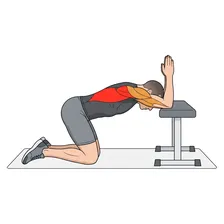
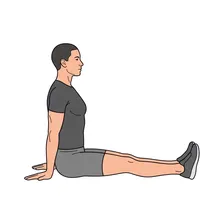
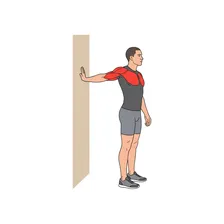
For example: Butcher's block stretch · Shoulder extension stretch, seated · Biceps stretch, standing.
Train this exercise in Tamadu – with a plan, set tracking and muscle balance, free and without an account.
Train in Tamadu